
Fixed
Ask where horizontal actions are transferred and whether another structural restraint element shares the path.
China-based bridge bearing manufacturer
Explore the product mechanism, the movement configuration and the project information that a useful bridge-bearing quotation needs. Qingdao Bridgent Technology supports international project teams with product-focused technical coordination and export-aware documentation.
Final configuration remains subject to the approved project actions, drawings and governing requirements.
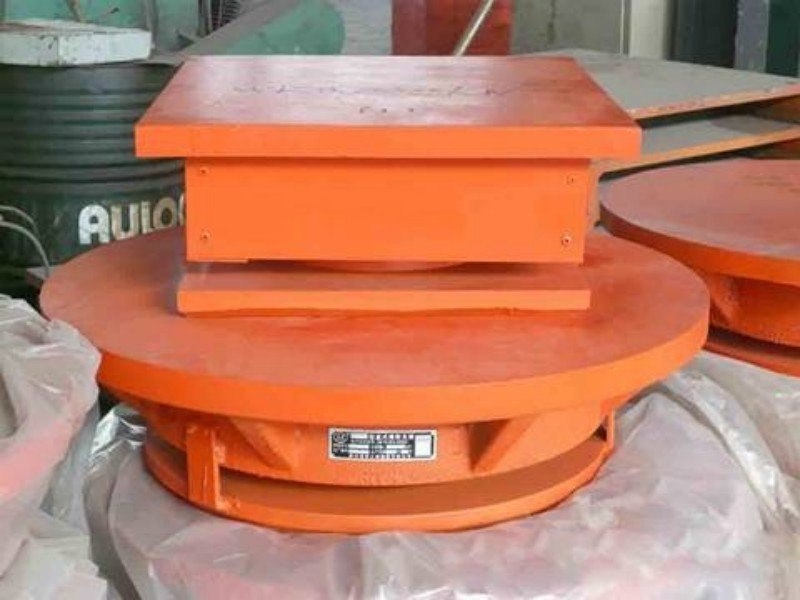
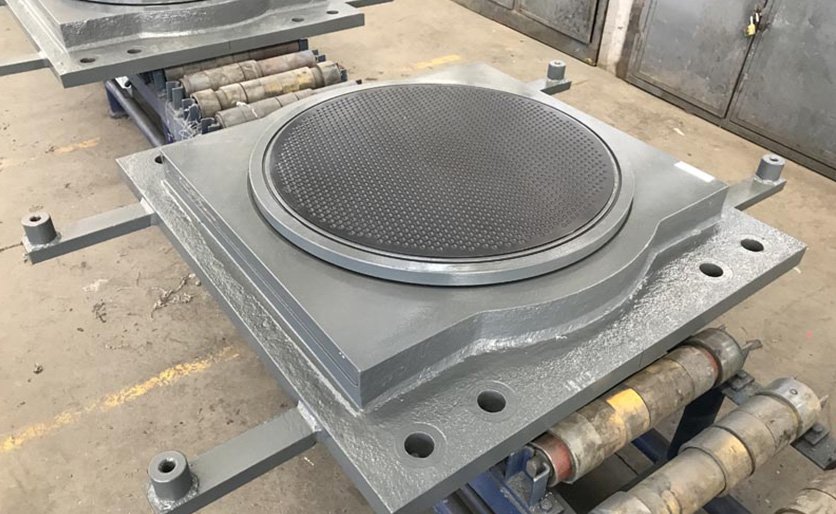
Start with the product function
These pages explain the mechanism and questions to resolve before a supplier can compare a project request responsibly. They do not replace design verification or approved product drawings.
Confined-elastomer rotation with a project-defined fixed, guided or free movement arrangement.
Explore the product review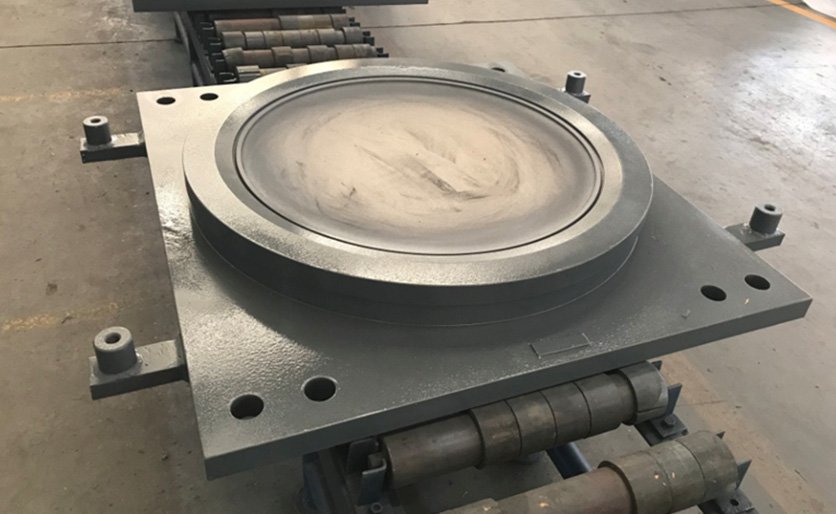
Curved rotation interface and controlled translation questions for demanding support conditions.
Explore the product review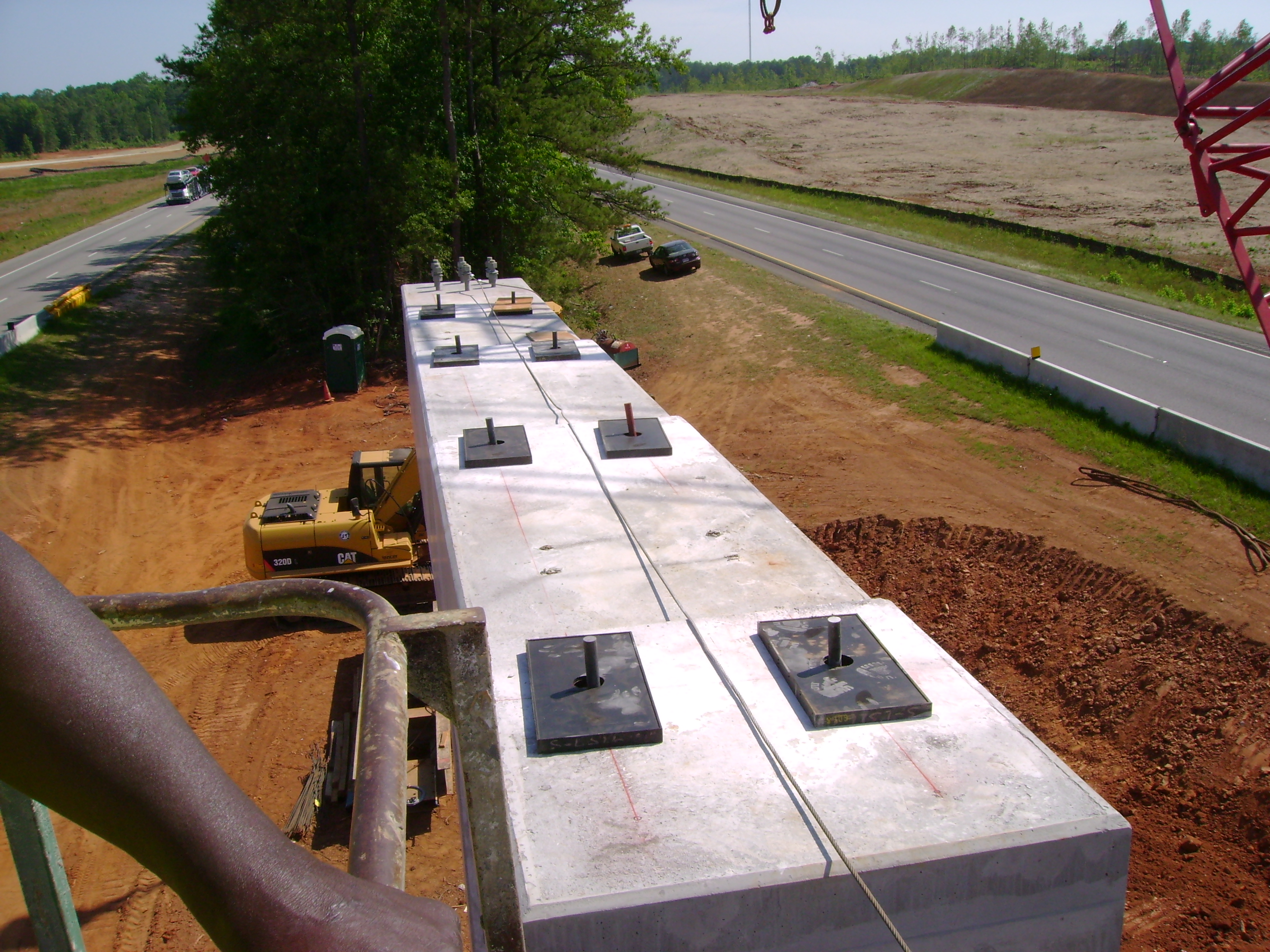
Layered bearing concepts explained through compression, movement, rotation and support interfaces.
Explore the product reviewMovement behaviour
Across a bridge, bearing functions work together to transfer actions and allow controlled movement. A useful drawing states the local coordinate system, guide direction and support position.
Ask where horizontal actions are transferred and whether another structural restraint element shares the path.
Ask which axis may move, which is restrained and whether guide orientation matches the bearing schedule.
Ask for the movement envelope, interface exposure, protection and available travel at the real support.
What changes the technical answer
Load, movement and rotation do not sit apart from the support geometry, restraint intent, environment or documents. An RFQ can include known values, current drawings and the items still under design.
Vertical, horizontal and uplift actions
Longitudinal and transverse movement
Rotation axes and concurrent conditions
Fixed, guided or free restraint intent
Support geometry and connection interface
Exposure, protection and inspection context
Governing standard and owner requirements
Construction stage, access and programme
Drawings, schedules and unknown items
From project data to controlled documentation
For an international project, the product discussion must be carried into drawings, inspection expectations, document requirements, marking, packing and delivery coordination. The exact scope is set against the confirmed project configuration—not by a generic website claim.
Support geometry, local axes, interfaces and location references.
Actions, movement, environment, standards and quality expectations.
Unit marking, records, packing and agreed site information.

Engineering inquiry
Send what you have to Andy. Include the project location, bearing function, available actions, movement/rotation data, required documents and delivery target. If an item is not yet known, identify it rather than guessing.
WhatsApp +86 15116183980
Email lkvicky2003@gmail.com