
01 / Working principle
Compression, shear and rotation should not be treated as one variable.
A laminated elastomeric bearing is generally understood through layers of elastomer and internal reinforcement acting together at a bridge support. Under a project’s vertical actions, the layered form supports the structure while allowing controlled deformation. This broad description is useful for orientation, but it does not establish the size, reinforcement, material formulation, connection arrangement, load capacity, movement range or suitability of any individual product.
Compression, horizontal shear deformation and rotation are separate selection questions. Compression relates to the actions carried at the support. Horizontal movement is tied to the translations that the structure must accommodate, including direction and reversals. Rotation is related to support geometry and superstructure behaviour. A responsible RFQ states these conditions distinctly instead of treating an elastomeric element as a generic pad that can answer every support requirement.
The visible outer shape is also incomplete information. Length, width and height do not communicate the internal layer construction, the intended restraint strategy, the need for connection plates or anchors, the project exposure, the inspection requirements or the support tolerances. Those requirements should come from the bearing schedule, drawings and specification.
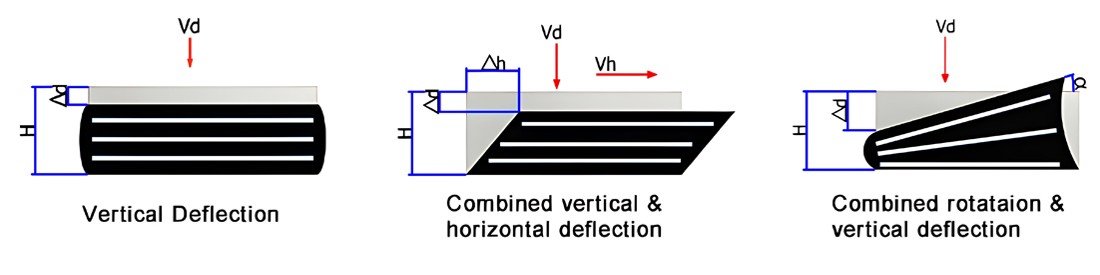
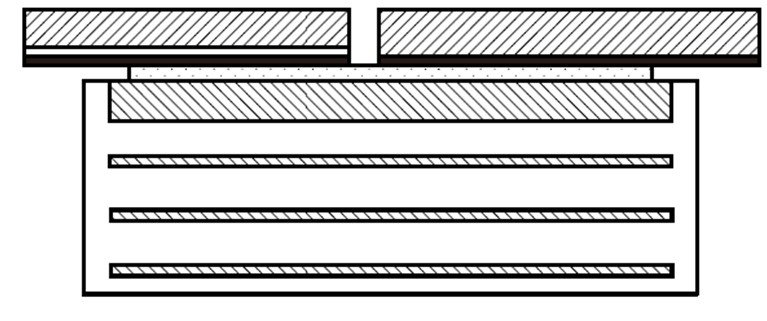
Elastomer layers
The elastomeric layers form the deformable part of the broad bearing concept. Their project behaviour cannot be inferred from external dimensions alone.
Internal reinforcement
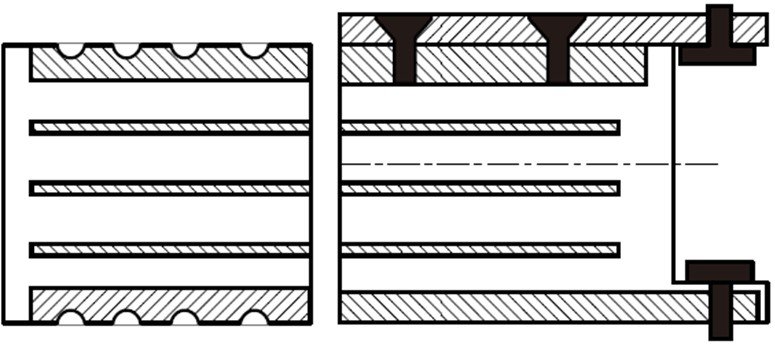
Internal steel reinforcement is used in laminated bearing constructions to stabilise the layered element; the actual detail belongs to the approved configuration.
Connection or restraint detail
Plates, anchors, guides or other interfaces change how the bearing connects to the structure and how movement/restraint questions are resolved.
Support interfaces
The contact surfaces, levels, tolerances and drainage/inspection context at the bridge support remain part of the project coordination task.
02 / Forms and restraint
A simple form still needs a complete restraint strategy.
An ordinary laminated bearing, a bearing with a connection or restraint detail, and a bearing used with a separate sliding or guidance arrangement are different procurement situations. They may look related in a catalogue photograph, but the support interface, movement function, load path and documents needed for each can be different. The public page should make those questions visible rather than imply that one form is universally interchangeable with another.
The bridge layout also matters. If the project uses fixed, guided or free descriptions, identify whether the bearing itself provides the relevant function or whether another key, plate, guide or structural detail carries part of the restraint. State the local axes and the intended movement direction. A bearing that can undergo shear deformation is not automatically a bearing with no horizontal force or no restraint responsibility.
Use the drawing’s local axis convention. Fixed, guided and free are behavioural descriptions, not a substitute for the action and movement schedule.
| Function | Intended movement question | Restraint question | What the RFQ must show |
|---|---|---|---|
| Laminated bearing context | The expected translations and rotations must be declared by axis rather than inferred from the product’s appearance. | The full bridge restraint strategy may involve the bearing, its connections or separate structural elements. | Actions, movement/rotation schedule, bearing layout, connection concept, support interfaces and project design basis. |
| Bearing with connection or restraint detail | Movement behaviour depends on the actual connection and restraint arrangement. | A plate, anchor, guide or external key should be defined by its project load path and orientation. | What is included, which component carries restraint, geometry/holes/anchors, construction sequence and site tolerances. |
| Bearing plus controlled sliding/guidance context | Translation must be described with direction, range, reversals and any concurrent rotations. | Guidance/restraint is a configuration question, not an assumed property of every laminated bearing. | Movement axes, guide direction, support interface, exposure/protection, inspection access and controlled documents. |
03 / Interface coordination
Connect the bearing detail to the real support condition.
Before production, the project team should coordinate the support geometry, bearing footprint, elevations, surface condition, connection concept, hole or anchor details, construction tolerances, water/drainage context and practical access. For replacement work, add the existing bearing condition, measured dimensions, available jacking space, adjacent reinforcement or diaphragms, work-window restrictions and required documentation. These items do not prescribe a method; they define the questions that an approved drawing and project team must resolve.
Environmental and lifecycle inputs also belong in the request. State the temperature/exposure context, potential contamination or water risk, maintenance access and any owner requirements for records, identification, inspection or testing. This produces a more comparable procurement package than a short request for an elastomeric bearing of a stated size.
04 / Technical RFQ
The drawing, data and unknowns are all useful inputs.
For elastomeric bearings, begin with the reaction schedule, translations in each axis, rotations, function/constraint intent, location and support detail. Add the applicable design basis, environmental conditions, quantity and programme. If the project only has a preliminary geometry or a concept drawing, state that it is preliminary. A technical review can then identify the information still needed without pretending that an early concept is an approved solution.
For a replacement inquiry, photographs and a site survey can be highly useful alongside the original bearing schedule or available drawings. They help the team understand access and interface questions, but they do not replace design verification. The final manufacturing and supply definition should be based on confirmed project actions, approved drawings and the agreed document/inspection route.
| Item | Why it matters | Confirm in the inquiry |
|---|---|---|
| Actions and combinations | The layered bearing and its interfaces must be reviewed against the project action basis. | Vertical/horizontal actions, uplift if relevant, service/ultimate/exceptional or construction-stage conditions and units. |
| Translations and rotations | Shear movement, compression and rotation are not interchangeable inputs. | Movement per axis, total range/reversals, rotation axes, concurrent conditions and local bearing orientation. |
| Form and restraint intent | The request must distinguish a broad bearing family from the project’s movement/restraint arrangement. | Bearing schedule function, connection/guide/key concept, position reference and responsibility for related structural elements. |
| Dimensions and interfaces | Overall dimensions alone do not define internal construction or fit-up. | Available footprint/height, levels, support surface, plates/anchors, clearances, tolerances, drainage and access. |
| Environment and evidence | Exposure and project acceptance requirements shape the scope and documentation. | Temperature/exposure context, specification, inspection/test/document requirements, marking, packing and delivery sequence. |
If part of the data is not yet known
Upload the current drawing, bearing schedule, reaction table or site photos and identify the open items. The purpose of the first review is to clarify missing project inputs—not to treat an assumed value as final design data.
05 / Procurement clarity
What is included in a quotation should be visible in the quotation.
The rows below are a practical comparison framework. They do not state that every item is supplied in every project; the relevant supply boundary must be confirmed against the approved drawings, specification and commercial offer.
| Item | Why it matters | Confirm in the inquiry |
|---|---|---|
| Bearing body and configuration | Identifies the requested bearing form and reference position. | Project function, dimensions/configuration basis, quantity, marking and drawing status. |
| Connection and restraint interfaces | Plates, anchors, guides and external restraints may be included differently by project. | Included components, interface responsibility, dimensions, drawing link and inspection requirements. |
| Material/protection scope | The project must compare the stated requirements, not generic marketing language. | Approved material/protection basis, exposure context, exclusions and applicable records. |
| Inspection and controlled documents | Traceability and release records can be part of the required procurement scope. | Requested checks, tests/witnesses, data/drawings, revision/date and final handover documents. |
| Packing and identification | A site team needs to match delivered units to the bearing schedule. | Marking, packing list, delivery sequence, shipment scope and handling-document route. |
Why quotations differ
Compare the same project definition before comparing price.
| Item | Why it matters | Confirm in the inquiry |
|---|---|---|
| Action and movement basis | A bearing quote cannot be compared fairly if movement, rotations and restraint intent differ. | Compare the same schedule, axes, actions, load basis and project-stage conditions. |
| Construction and interfaces | Internal layered construction and external interfaces cannot be reduced to outside dimensions. | Compare drawing revision, form, connection/anchor scope, tolerances and support details. |
| Environment and protection | Different exposure/protection requirements may change the confirmed supply scope. | Compare specified exposure, materials/protection records and any stated exclusions. |
| Quality and documents | Inspection, testing, records and approval drawings are part of the commercial comparison. | List deliverables, hold points, witnesses, document revisions and acceptance route. |
| Quantity and transport | Marking and delivery packaging must suit the released quantity and site sequence. | Compare quantities, packing, shipment, location marking and delivery responsibilities. |
06 / Release readiness
Before production, then before delivery.
Controlled product information follows the project’s own approval path. These lists make the required conversations visible; they are not an installation method or release instruction.
Before production
- Bearing schedule identification and local orientation
- Actions, translations, rotations and restraint/connection information
- Confirmed external dimensions plus approved internal/configuration documentation
- Support surfaces, elevations, interface/anchor concept and tolerances
- Exposure/protection and inspection/document requirements
- Quantity, marking, packing and delivery release sequence
Before delivery
- Each unit identifiable against the bearing schedule
- Packing list and configuration/position reference checked
- Approved document set and revision status matched to the agreed supply scope
- Agreed protection of bearing and interface surfaces checked for delivery
- Responsible parties have the applicable project handling, storage, restraint and installation information before site movement
Visual evidence
Product images that answer different questions.
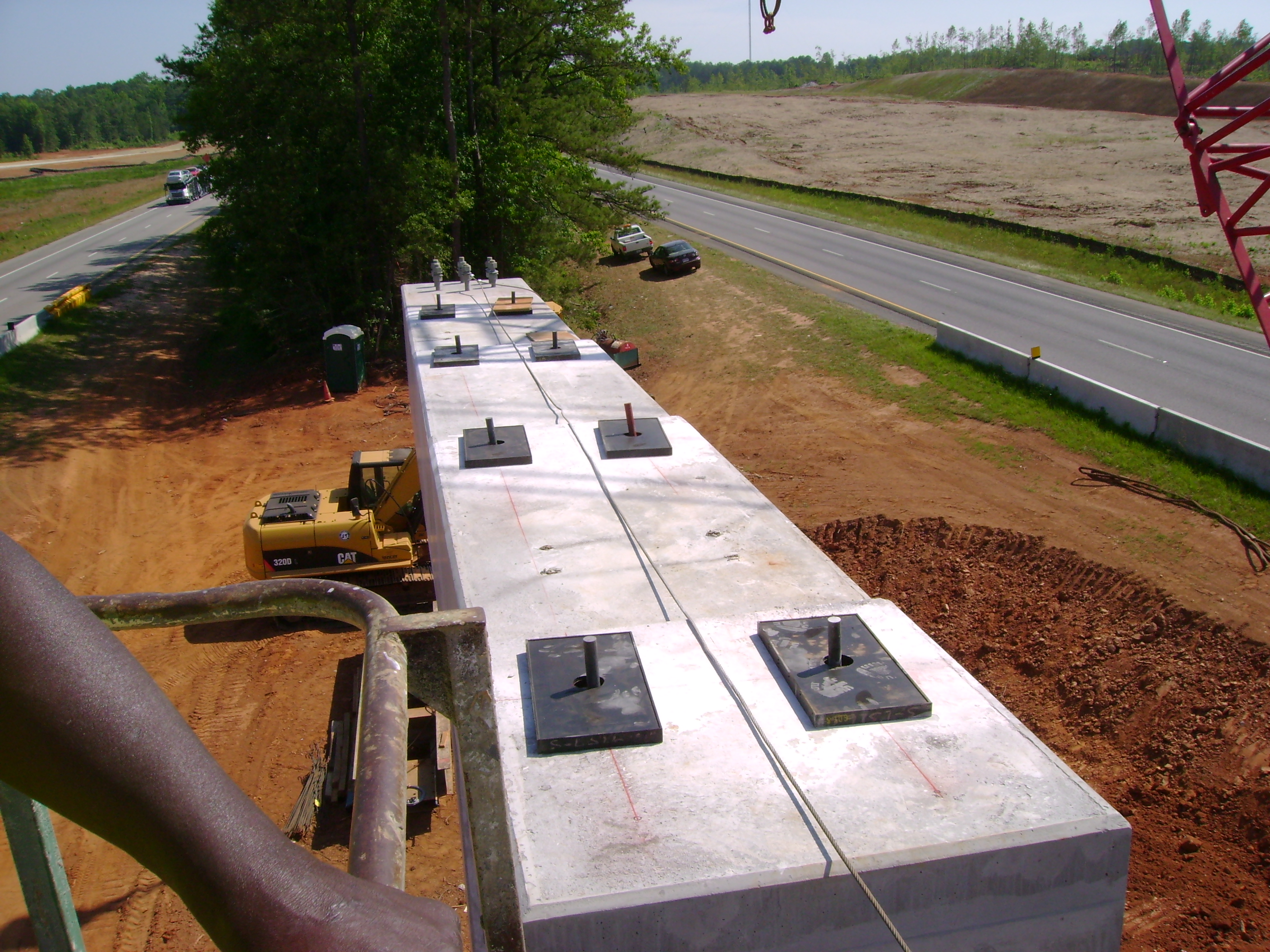
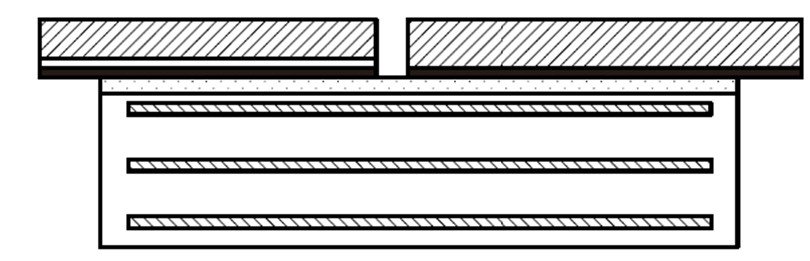
Product photographs, context images and explanatory illustrations have separate jobs. Captions state what is visible and what still needs project confirmation.
07 / Procurement FAQ
Elastomeric Bearings: questions a customer should be able to answer before release.
Are elastomeric bearings the same as seismic isolation bearings?
No. A layered elastomeric bearing and a seismic isolation system should not be treated as the same product category. Seismic performance objectives, analysis outputs, connection design and testing requirements need their own project review.
Can outside dimensions define a complete elastomeric bearing?
No. Dimensions do not by themselves define internal layered construction, material/protection requirements, movement/rotation capacity, restraint arrangement, connection detail or governing project actions.
Does shear movement mean there is no horizontal restraint?
No. Horizontal movement and horizontal-force transfer need to be considered with the bearing layout, connections and any separate restraint components. The project drawings must clarify the intended force path.
When should connection plates or anchors be discussed?
At the RFQ stage if they are part of the support interface. State whether they are included, identify the drawing or concept, and describe the geometry, tolerance and inspection requirements that must be coordinated.
What is useful for an elastomeric-bearing replacement RFQ?
Provide existing bearing information, drawings if available, condition photographs, measured interfaces, actions/movements, support geometry, access and jacking questions, programme and required documents.
What should be checked before delivery?
Confirm position marking, drawing/document revision, supply boundary, pack-out and the project-specific handling/installation information expected by the responsible site team.