
Product family
Seismic Isolation Bearings
Seismic isolation systems require close coordination between structural analysis, movement demand, return force, connection design and verification testing. Bridgent supports the manufacturing and documentation side of this process after the engineer’s target performance and governing combinations are established. The product route, material system and testing plan should always be defined with the project team.
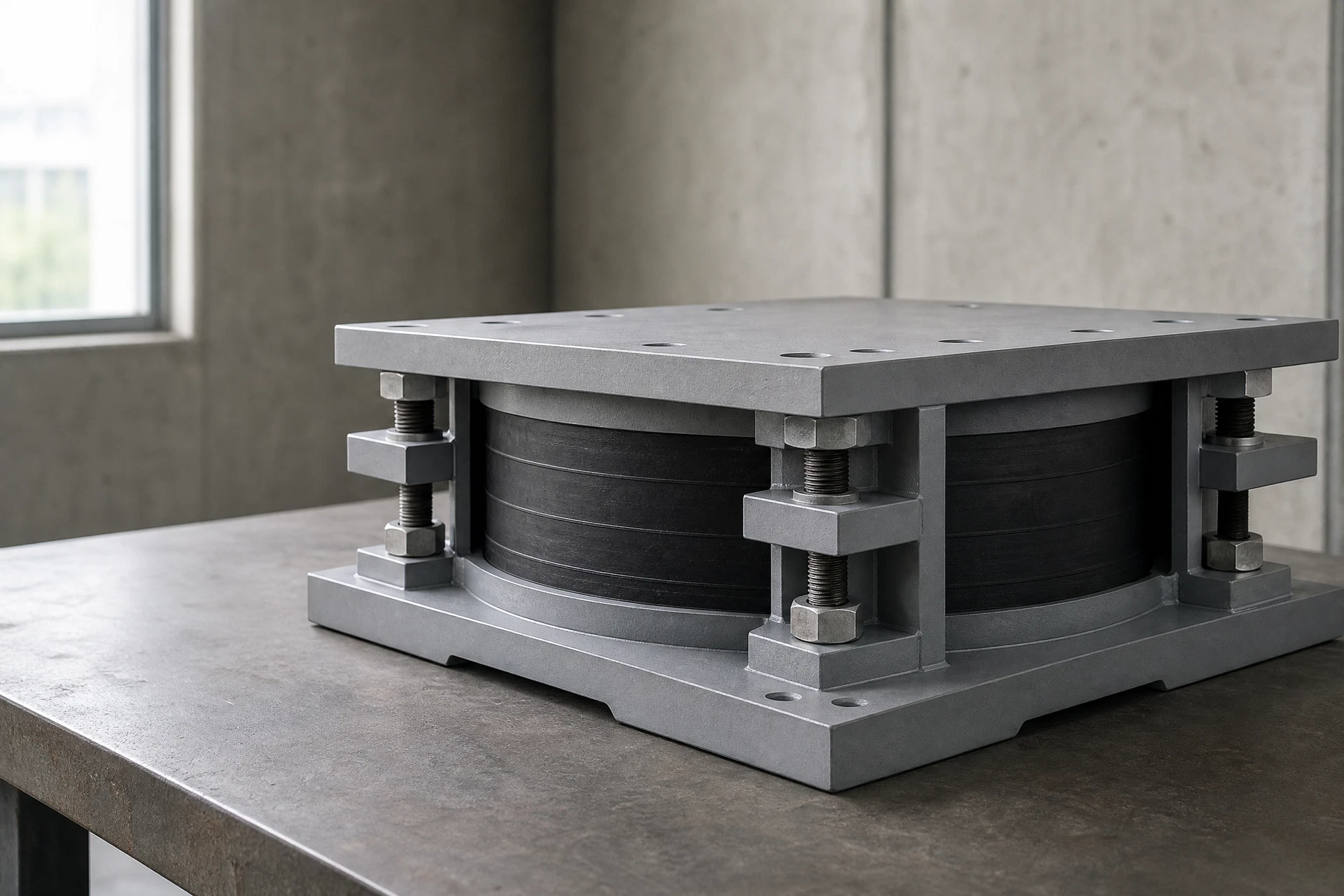
Technical overview
Important inputs,
presented clearly.
The values below are deliberately presented as project-specific review fields. Final capacities and movements must be derived from the approved design actions, geometry and governing specification.
| Vertical load | Defined by approved seismic design combinations |
|---|---|
| Horizontal displacement | Based on analysis-derived isolation movement |
| Rotation | Coordinated with superstructure demand |
| Service temperature | Specified for environmental and material performance |
Technical information on this page is for enquiry and discussion. It does not replace the project engineer’s approved design, drawings, product data sheet or inspection plan.
Materials & protection
Coordinate material choices with the exposure condition.
- Layered elastomeric or sliding isolation system as specified
- Steel connection plates and restraints
- Project-defined damping or guide components
- Protective finish for the exposure environment
Applicable basis
Document the requirement, not a generic promise.
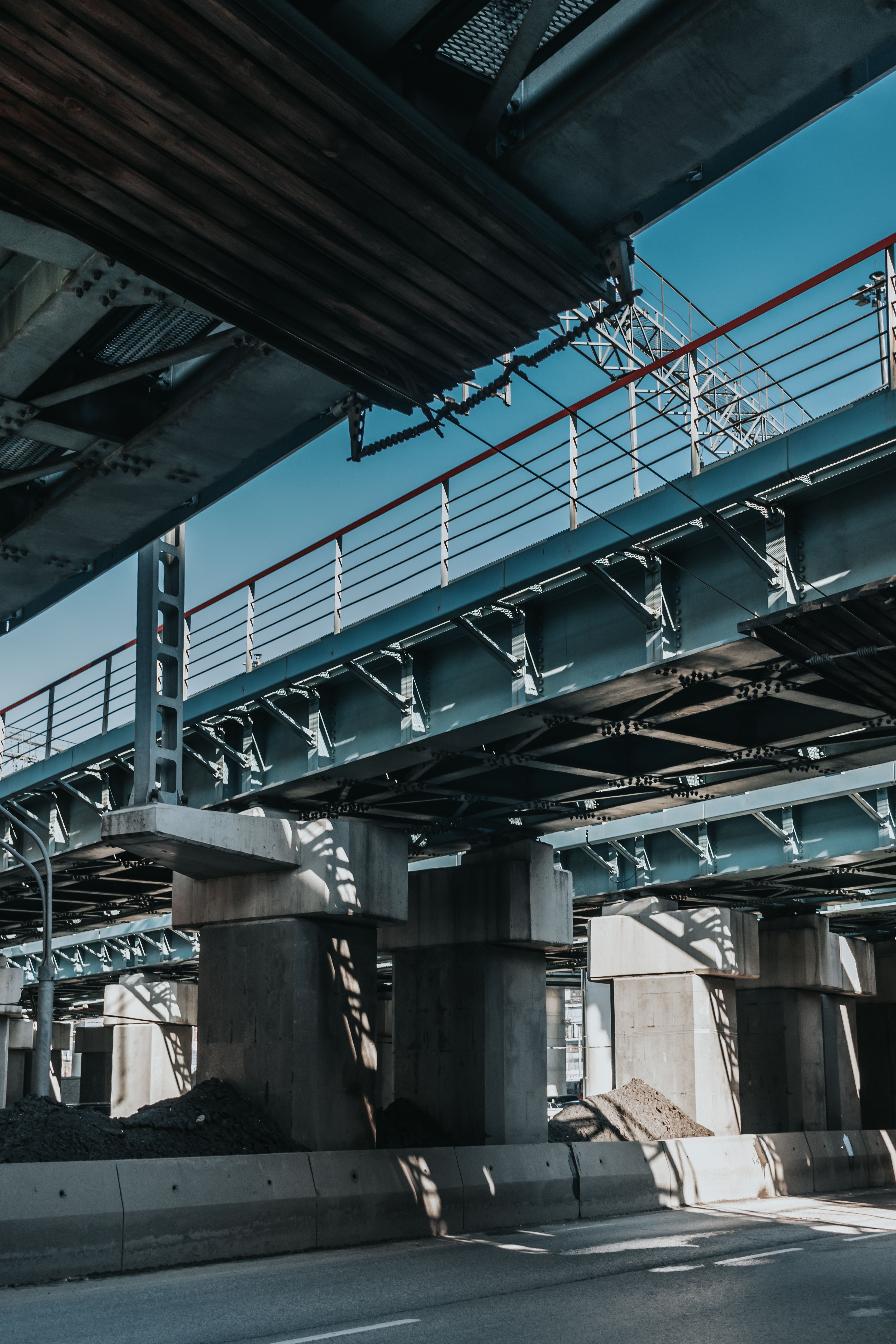
Where this system can fit
A bearing family
is only a starting point.
Need a data sheet?
Ask Andy for the right project documentation route.